Infrastructure Project Management in Greece: A Client Guide
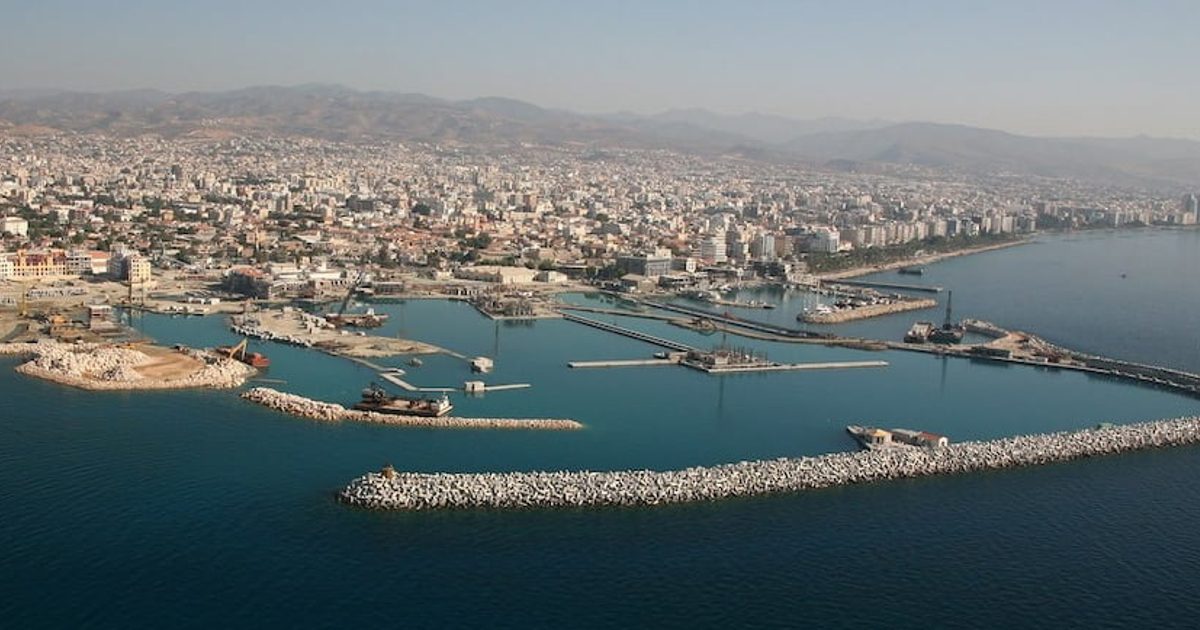
A clear infrastructure project management guide for owners and public-sector clients covering reporting, cost control, risks and delivery decisions.
3 min readRead article
Building a home in Greece from abroad? Learn how local project management can protect your budget, decisions and final result.

Building or renovating a home in Greece from another country can be exciting, but distance makes everyday decisions harder. You may not be able to visit the property, check progress or compare a proposed change with the original budget. A local project management team gives you a reliable point of contact and helps turn information from the site into decisions you can make with confidence.
This guide is for owners, overseas buyers and investors planning a residential project in Greece. It explains what to arrange before work begins and how ERECTOR can support the process locally.
The first step is to understand what you are buying or changing. A property review can examine the available drawings, surveys, planning information, building condition and intended use. It can also identify questions for the appointed architects, engineers and legal advisers before you commit to a purchase, lease or construction budget.
The Greek e-Άδειες service is the official electronic platform for building-permit processes. It is a useful starting point, but it cannot replace advice on your particular property. The applicable approvals depend on the location, building, scope and current rules, so your appointed Greek professionals must confirm what is required.
ERECTOR’s real estate and technical due diligence services can help you understand the practical condition and development potential of a property before you make a larger commitment.
You do not have to manage every part of the project yourself. The right support depends on the stage of the work and the responsibilities already assigned to the design team, supervising engineers and contractor.
You may need help with:
These services should be defined in writing. You should know who can give instructions, which decisions require your approval and how urgent issues will be escalated when you are abroad. Project management supports your decisions; it does not quietly replace the legal or technical duties of other appointed professionals.
Photographs are useful, but a photograph alone cannot tell you whether work is complete, properly installed or ready to be covered. A useful update should connect visual evidence with the agreed scope, the programme, current risks and decisions needed from you.
Ask for a regular report that answers four simple questions:
This approach helps you stay involved without trying to run the site from another country. It also creates a record of what was agreed and why.
Residential projects often change as the design develops or existing conditions become clearer. A different stone, a revised kitchen, a new lighting choice or an unexpected repair can each affect more than the purchase price. The change may also affect other drawings, lead times, trades and the handover date.
Before approving a change, you should receive its reason, cost effect, time effect and any related decisions. Approved changes should be kept separate from ideas that are still being considered. A current forecast should show what the project is expected to cost when known changes and uncertainties are taken into account.
ERECTOR can help owners compare options, coordinate information and keep the project’s cost, time and quality priorities visible throughout delivery.
Before your final visit to Greece, agree what “ready” means. The handover may include inspections, testing, certificates, warranties, operating information, photographs and a list of remaining items. It should also identify who will follow up those items after you return home.
Planning handover early gives you a better basis for booking travel and moving into the property. It also reduces the risk that an attractive finished surface hides missing documents or unfinished work.
If you are considering a new home, renovation or residential investment in Greece, learn about ERECTOR’s project management and real estate services. You can also contact the team with the property location, current stage and the support you need from abroad.
A clear infrastructure project management guide for owners and public-sector clients covering reporting, cost control, risks and delivery decisions.
Planning a hotel refurbishment in Greece? Learn how project management protects operations, budget, programme and the guest experience.
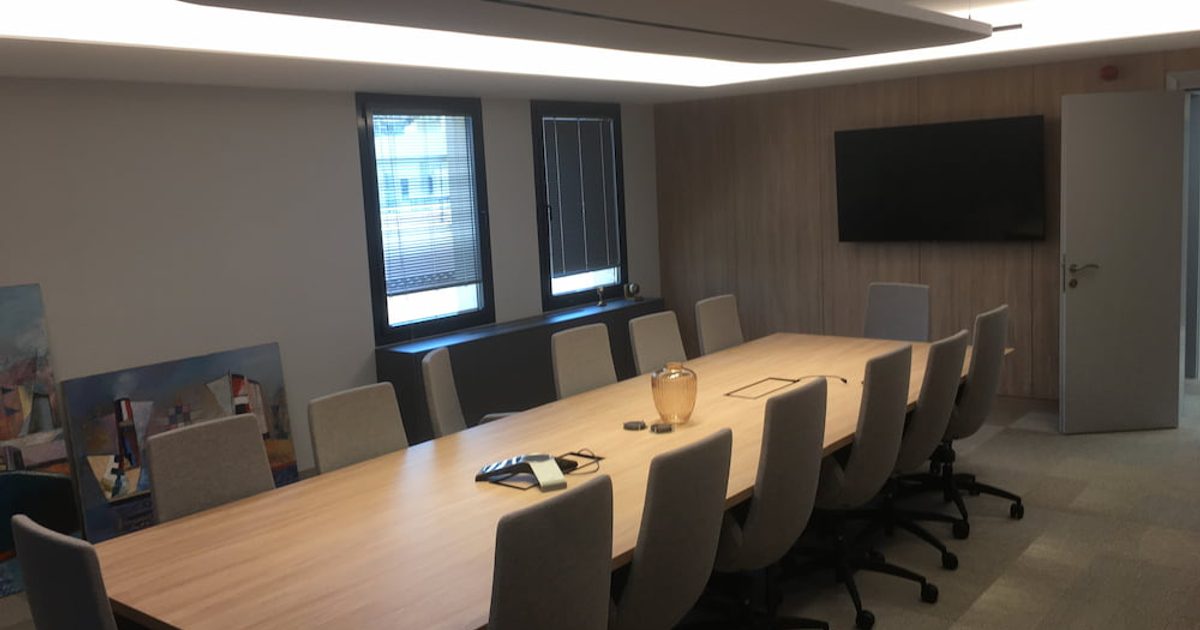
Planning an office fit-out in Greece? Learn what to define early so your workplace supports people, budget and business continuity.