Case Studies
Comprehensive project management and construction services across all phases
Our Services in Action
Real-world applications of our comprehensive project management and construction expertise
Project management services at the construction phase
Regarding the construction phase, a general contractor is appointed by the owner and our team can invite a number of well-known general contractors to participate in a tender and give offers in order to undertake the whole project. There are construction companies which can execute all the construction work and deliver a completed project. In this case one contract (owner – contractor) will be prepared and signed.
In that case we can provide Project management services (daily presence of engineers on site or site visits and reporting). It depends on the size of the project and the type of services requested by the owner. Our team can recommend ways to incorporate safety incentives into the construction contract in order to increase general contractor's attention to project safety.Our team can review general contractor's safety program to verify that it fully responds to safety regulations and contains provisions for the immediate detection and rectification of safety violations.
Advantages:
- The general contractor will undertake most of the risks
- The general contractor has expertise in similar projects, has relations with authorities, can communicate with stakeholders, and can provide guaranties and financial facilitation if it is necessary.
- The general contractor will coordinate the work between the construction crews and therefore assume all responsibility associated with the works.
- Reduced Project Management costs as all coordination is performed by the general contractor.
Disadvantages:
- Increased final construction cost (the contractor's offer will incorporate full mark-up due to the increased risk)
- Increased potential claims and increased negotiation power by the contractor
- Financial problems of the general contractor or any dispute whatsoever may affect the project time-schedule
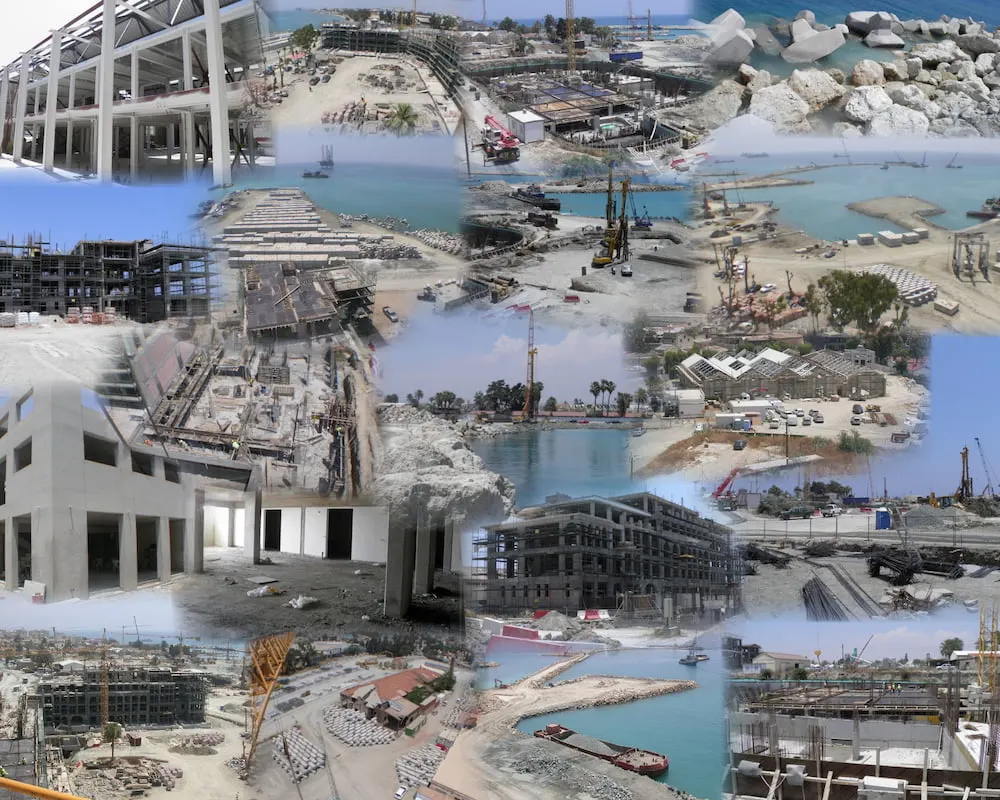
Construction management services at the construction phase
Construction management services, including the separation the scope of works (in architectural, MEP or ID works or other specialties) and appointment of more than one sub-contractors (by specialty). Based on our experience, we have a list with well-known subcontractors who can be employed and be coordinated by our team. In this case separate contracts with subcontractors will be prepared and signed. Our team will coordinate the execution of the project by the subcontractors.
Advantages:
- The final construction cost will be reduced as each of the contractors will not incorporate full contract mark-ups.
- Financial problems of some of the subcontractors will not affect the project as there will be on site alternative solution (award works to on-site competitors).
Disadvantages:
- The Owner will undertake the risks associated with potential coordination issues among the specialty general contractors.
- Potential coordination issues
- The Construction management services cost's will be slightly higher compare to the Project management costs as daily enhanced presence of our team will be required to coordinate the works among the specialty general contractors.

Advice on selection of design teams, subcontractors & specialist consultants
Selecting the right design teams, subcontractors, and specialist consultants is crucial for the success of a construction project. Our team has deep understood of these procedures.
Indicative key components:
- Define Project Requirements, Scope of works
- Research and Shortlist Candidates
- Evaluate Qualifications
- Conduct Interviews
- Assess Financial Stability
- Request Proposals
- Compare Bids
- Negotiate Terms (contracts)
- Awarding of Contracts
Statutory compliance review and permit coordination
Statutory compliance review and permit coordination are critical aspects of project and construction management that ensure projects adhere to local regulations, safety standards, and environmental laws. Our team and associates can support in the coordination, management, monitoring and processing of Permits and relevant approvals by the responsible authorities.
Indicative key components:
- Understand Regulatory Requirements
- Engage Relevant Authorities early
- Prepare Required Documentation for permit applications,
- Permit Application Process (Submission, follow up with the relevant authorities)
- Review and Address Feedback
- Coordinate Inspections at various project phases
- Monitor Ongoing Compliance
- Closeout
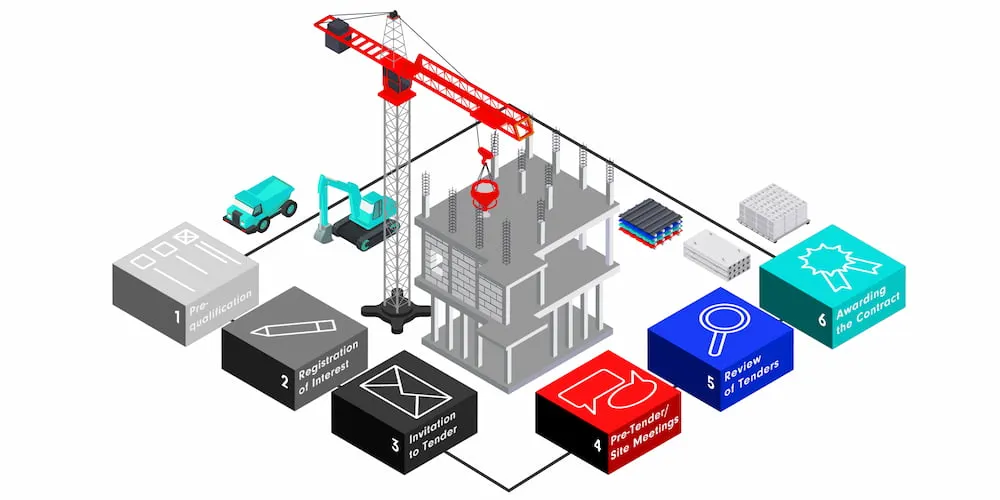
Preparation of design or construction tender packages, tender out, coordination and evaluation
Preparing, coordinating, and evaluating design or construction tender packages to select the best contractors or consultants for the project. Our team can organize the tender process depending on the selected tendering strategy. Our team can also assist by ranking the most responsive and cost-effective bids and making recommendations regarding awards.
Indicative key components:
- Preparation of Tender Packages
- Tendering Process
- Coordination During Tendering
- Evaluation of Tender Submissions
- Selection and Awarding of Contracts
- Documentation and Record Keeping
Management of the procurement process for services, works and equipment
Managing the procurement process for services, works, and equipment is essential for ensuring that projects are completed on time, within budget, and to the required quality standards. Our team can assist to achieve the lowest possible price, ensuring at the same time the required level of confidence as well as significant savings in favor of the owner.
Indicative key components:
- Define Scope of Works and specifications
- Procurement Plan
- Budget for procurement
- Potential Suppliers and Contractors
- Market Research
- Tender Documents
- Tendering Process
- Bid Submission and Opening
- Evaluate Bids
- Contract Awarding
- Contract Management and Performance Monitoring
- Procurement Closeout
Contract Management services
Contract management is the process of systematically managing contracts made with customers, vendors, partners, or employees. It involves the entire lifecycle of a contract, from negotiation and execution to compliance and renewal. Contract Management includes all project's objectives, constraints, identified risks and jointly agreed response strategies, as well as project's closure procedure.
Indicative key components:
- Contract Creation
- Negotiation of terms
- Approval from all stakeholders and signing
- Monitoring of the performance of all parties against the contract terms
- Compliance with relevant laws and regulations
- Change Management
- Dispute Resolution
- Renewal and Closeout Processes
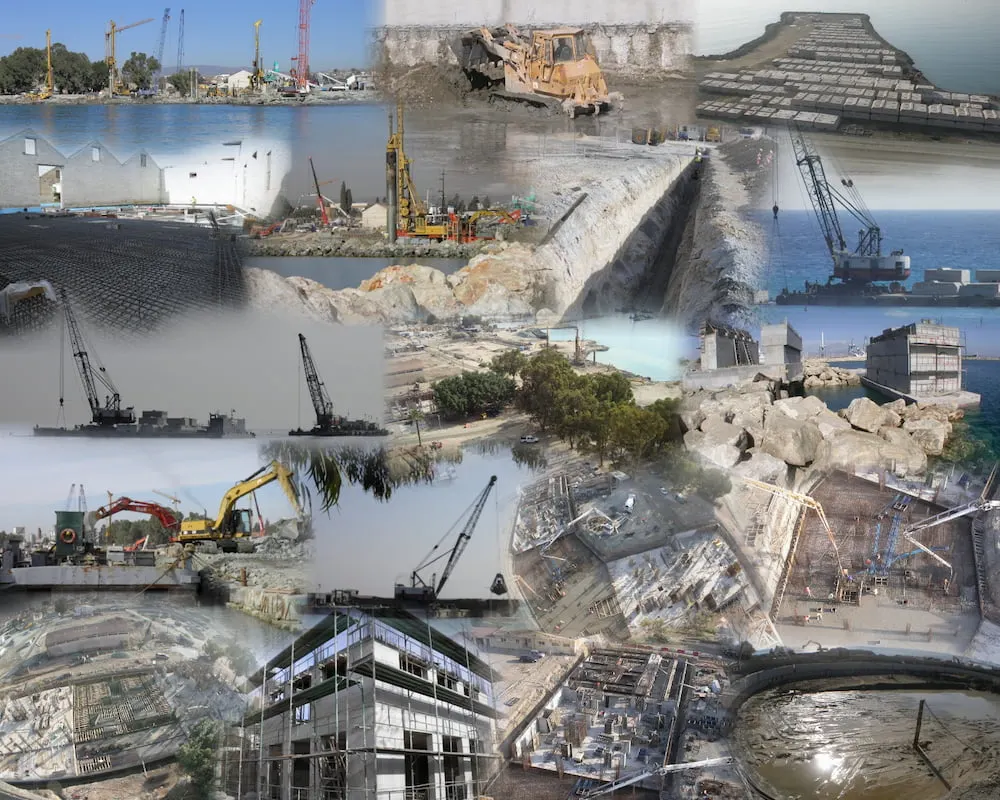
Coordination of the team services during construction
Coordinating team services during construction is vital for ensuring that the project runs smoothly on time, and within budget. Effective coordination helps to streamline communication, resolve issues quickly, and maintain quality standards.
Indicative key components:
- Clear Roles and Responsibilities
- Communication Plan
- Project Management Tools
- Enhance Collaboration
- Monitor Progress
- Issue log
- Quality Control
- Safety Management
- Documentation and Reporting
- Project Closeout
Cost management services (Budget preparation and Cost control)
Cost management is the process involved in planning, estimating, budgeting and controlling project's cost, so that the project can be completed within the approved budget. Preparing a budget for a construction project is critical for ensuring successful project delivery. Cost control is a critical aspect of project management that involves monitoring and managing project expenditures to ensure that the project remains within budget.
Indicative key components:
- Define Project Scope
- Identify Cost Categories
- Gather Cost Estimates
- Organize costs into categories and use project management or accounting software to track costs
- Value engineering
- Establish a detailed baseline Budget
- Monitoring
- Implement Change Management Procedures
- Control Resource Usage
- Communicate with Stakeholders
- Conduct Cost Forecasting
- Key Performance Indicators (KPIs)
- Perform Regular Audits
- Post-Project Review
Time-schedule preparation
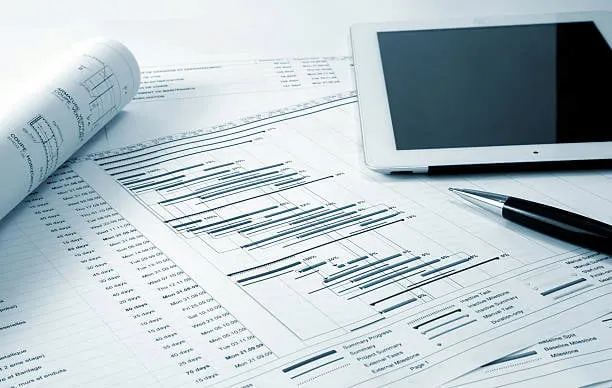
Time management comprises all necessary processes, in order to meet project's timeframe. Scheduling and monitoring are of major importance for all projects, since it always affects the investment's business plan. Preparing a time schedule for a construction project is critical for ensuring successful project delivery. Our team can develop a schedule with activities and durations to plan exact design, bid, and construction objectives. With that schedule as a guide, we can plan when and where to apply resources for maximum results. We can define the sources of delays and develop viable revised schedules to bring the project back on track.
Indicative key components:
- Define Project Phases and WBS
- Identify Tasks and Activities
- Determine Task Durations
- Identify dependencies between tasks
- Create a Timeline
- Review and obtain final approval from project stakeholders
- Monitor and Control (Regularly update the schedule to reflect actual progress)

Project monitoring
Project monitoring is essential for ensuring that a construction project stays on track regarding time, budget, and quality. Project monitoring involves tracking the progress and performance of a project to ensure it stays on schedule, within budget, and meets quality standards. Our team has the experience and the management tools for project monitoring.
Indicative key components:
- Define Key Performance Indicators (KPIs)
- Monitoring Tools and software
- Progress Reporting
- Conduct Site Inspections
- Change Control Process
- Risk Management
- Stakeholder Communication
- Cost Control Monitoring
- Quality Control
- Documentation

Contractor's claims management and counterclaims
Managing contractor claims and counterclaims is an essential aspect of contract management in construction projects. Effective handling of these issues can prevent disputes and ensure smooth project progression. Our team can review of bid and contract documents to identify and correct potential claims issues. Our team can advise on the best methods of claims prevention and can help resolving claims situations that have already arisen. Our team can respond to actual disputes by negotiating and settling claims.
Indicative key components:
- Understanding Contractor Claims
- Claims Prevention
- Claims Submission Process
- Evaluation of Claims
- Response to Claims
- Dispute Resolution process
- Post-Claim Review / Lessons Learned
Management of Testing, Commissioning, Closeout procedures
Managing the testing, commissioning and closeout procedures of a construction project is crucial for ensuring that the project meets all requirements and is delivered successfully to the client. Our team can coordinate punch list inspections and can define that any noted deficiencies are promptly corrected. Our team can assist in completing all necessary testing and commissioning. Our team can closeout by developing detailed checklists for the many records, manuals, certificates, warranties, and other materials that must be assembled and delivered to the owner.
Indicative key components:
- Testing Procedures
- Commissioning Procedures
- Closeout Procedures
- Documentation
- Client Handover
- Post-Completion Review
- (Evaluation, Feedback)
Basic Services to Real Estate Clients (Buyers)
Property Technical Due Diligence
Right after the Client selects a property from a Real Estate Agency portfolio which meets the criteria set for investment and prior to purchasing, a Technical Due Diligence (TDD) survey and a Legal Due Diligence (LDD) are required to examine the key aspects of the property. The purpose is as well as highlight any technical or legal defects that the buyer may face after purchasing, propose methods to mitigate such risks and enhance the Buyer's negotiation power.
Indicative key components:
- Desk-top review the status of available data of permits, licenses and approvals (i.e. building permits, fire certificates, energy certificates, notary deeds, forestry, archaeology approvals etc) provided by the seller
- Visit to building Authorities and receipt of available building permits. Confirmation of uses and plots buildability
- Statutory compliance review and legalization assessment, identification of illegal structures
- Site visit and comparison of desktop data and actual conditions
- Evaluate the building's current state, visual review of the structural frame (where feasible), architectural finishes and MEP utilities
- Compatibility of the building and plot for the intended use
- Preparation of Technical Due Diligence report with findings
- Risk matrix summarizing potential risks and their mitigates