Infrastructure Project Management in Greece: A Client Guide
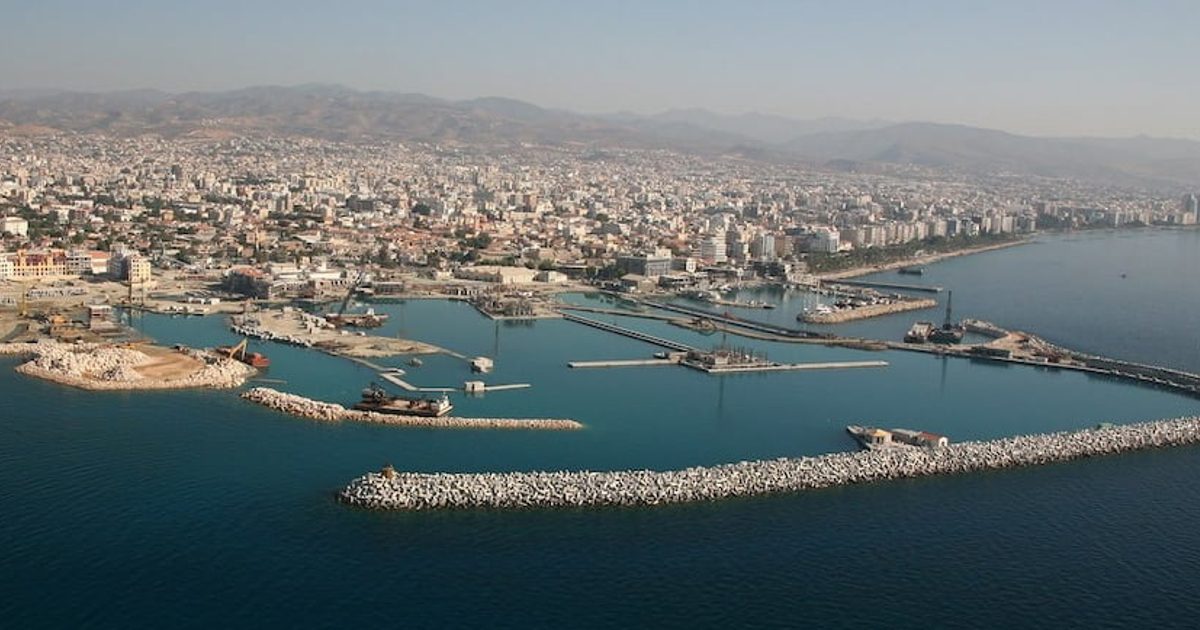
A clear infrastructure project management guide for owners and public-sector clients covering reporting, cost control, risks and delivery decisions.
3 min readRead article
Planning a hotel refurbishment in Greece? Learn how project management protects operations, budget, programme and the guest experience.

Refurbishing a hotel is more complicated than updating rooms and finishes. The property may still have guests, staff, suppliers and bookings to accommodate while design decisions, permits, procurement and construction are moving forward. The right project management support helps you understand the choices before they become expensive problems.
If you own, operate or are developing a hotel in Greece, this guide explains what to plan early and where an experienced project manager can add value.
The first question is not “How quickly can the works start?” It is “What must the hotel achieve after the refurbishment?” Your answer may involve improving room quality, repositioning the property, upgrading guest facilities, reducing operating costs or preparing for a new brand standard. Those objectives affect the scope, budget and order of work.
An early feasibility review can compare the intended outcome with the existing building, the available budget and the operating calendar. It can also identify decisions that need technical investigation, such as building services, accessibility, fire safety, kitchen capacity or the condition of concealed elements. This gives you a more reliable basis for deciding whether to refurbish in phases, close part of the property or plan a full closure.
ERECTOR supports owners and hospitality clients from assessment and pre-construction through delivery. The role is to give you a clear view of the project before you commit to a programme or construction price.
A phased hotel refurbishment can reduce the number of rooms taken out of service at one time, but it can also increase coordination, temporary arrangements and repeated mobilisation. A full closure may shorten the construction period, but it creates a different commercial decision for the owner and operator. Neither option is automatically better.
The right comparison should consider:
An experienced project manager can turn these factors into clear options, with the consequences of each option explained in plain language. That allows you to make a commercial decision instead of relying on an optimistic construction date.
Many hotel refurbishment problems begin before the contractor arrives. The scope may be incomplete, existing conditions may be uncertain, or different tender prices may include different assumptions. A low initial price is not useful if important work has been left out.
Before requesting final offers, you should have a defined scope, coordinated design information and a clear list of exclusions. The budget should show the main cost groups, including construction, professional services, furniture and equipment, temporary measures, testing and contingency. Where information is not yet confirmed, it should be shown as an uncertainty rather than presented as a fixed figure.
ERECTOR’s project and cost management services help owners compare options, evaluate offers and understand the effect of changes on both cost and completion. The purpose is not to remove every uncertainty. It is to make the important uncertainties visible while there is still time to act.
Hotel refurbishments involve two environments at once: the operating hotel and the construction site. The people responsible for each environment need a practical way to agree deliveries, access, interruptions, guest protection and urgent decisions.
You should expect regular reporting that answers the questions that matter to you:
Good reporting gives you evidence and a clear next step. It does not overwhelm you with site language or leave you to discover a problem after the decision window has closed.
The refurbishment is not finished when the last tradesperson leaves. Rooms, public areas and building systems need inspection, cleaning, testing, documentation and, where appropriate, staff familiarisation before they return to operation. Defects and incomplete information can create as much disruption after opening as they did during construction.
Agree the handover requirements early. They should cover the condition of each area, operating instructions, warranties, test records, outstanding items and who is responsible for closing them. This gives the hotel team a practical route from construction completion to confident operation.
If you are considering a hotel refurbishment in Greece, ERECTOR can help you assess the opportunity, coordinate the design and construction process, and protect the owner’s priorities through delivery. Explore ERECTOR’s project and construction management services, or contact the team with the property location, intended scope and target dates.
A clear infrastructure project management guide for owners and public-sector clients covering reporting, cost control, risks and delivery decisions.
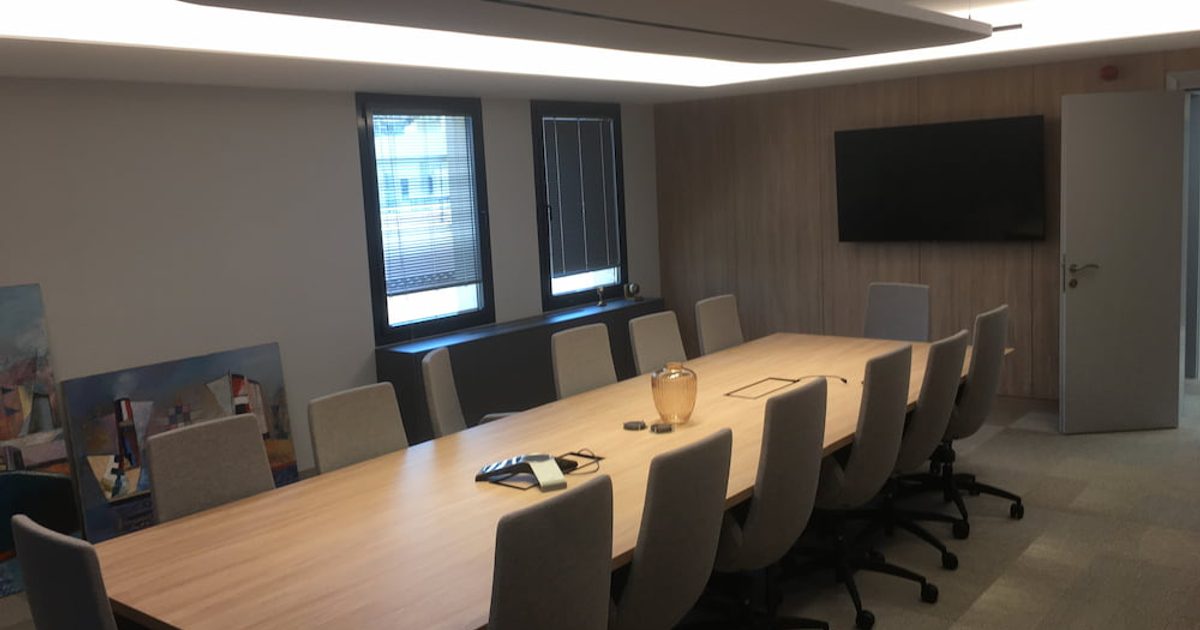
Planning an office fit-out in Greece? Learn what to define early so your workplace supports people, budget and business continuity.
Building a home in Greece from abroad? Learn how local project management can protect your budget, decisions and final result.