Building a Home in Greece from Abroad: A Practical Guide
Building a home in Greece from abroad? Learn how local project management can protect your budget, decisions and final result.
4 min readRead article
A clear infrastructure project management guide for owners and public-sector clients covering reporting, cost control, risks and delivery decisions.
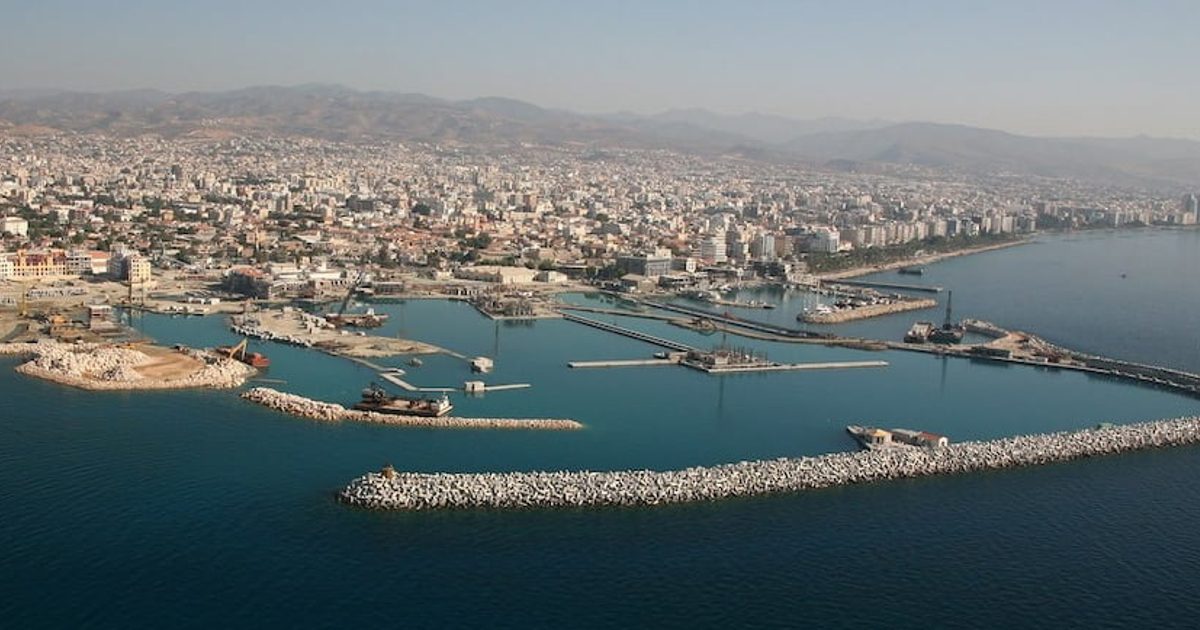
Infrastructure projects involve public expectations, multiple organisations, long programmes and significant financial commitments. Owners and public-sector clients need more than a monthly percentage-complete figure. They need a clear view of what has changed, what the forecast now shows and which decisions will protect delivery.
This guide explains what a useful infrastructure progress report should give you. It is written for owners, authorities, funders and decision-makers who need confidence in the project without managing every technical detail themselves.
The most useful report begins with the matters that need attention. It should tell you what has changed since the previous period, which milestones are at risk, what decisions are waiting and who needs to respond. If a delay has no identified consequence or next action, the report has not yet helped you manage it.
The information should be clear enough for a decision-maker to understand without reading every site record. Technical detail still matters, but it should be connected to its effect on cost, time, quality, safety or public use.
You should be able to compare the original programme with the current forecast. The report should explain the reason for any important movement, whether recovery is possible and what the recovery would require. A single overall percentage cannot show whether a critical approval, utility connection or procurement item is holding up the next milestone.
Good reporting uses evidence that matches the reporting period. This may include accepted deliverables, measured quantities, inspection records, photographs, approvals and the status of work packages. It should identify information that is provisional or still awaiting confirmation.
ERECTOR’s project controls and reporting experience helps clients turn complex project information into a decision-ready view of delivery. The emphasis is on what the owner needs to know and what should happen next.
Cost reporting should distinguish the approved budget, committed costs, approved changes, amounts still under review and the forecast cost to complete. These terms need consistent definitions across the project. Otherwise a report can appear reassuring while important liabilities remain outside the headline figure.
When a proposed change affects both cost and programme, the report should show both effects. You should know what has been approved, what is being assessed and when a decision is needed. A clear change process gives the owner a chance to choose between options before work proceeds on an assumption.
Infrastructure projects depend on land, utilities, design information, permits, procurement, contractors, public bodies and other stakeholders. A useful risk section does not list every possible concern. It highlights the issues that could affect the next important outcome, explains the response and identifies the person responsible for following it through.
The same principle applies to quality and handover. Inspection findings, outstanding defects, testing, approvals and required records should be visible while there is still time to correct a problem. The report supports management; it does not replace the specialist inspections, statutory processes or contract records required for the project.
The final section should explain what needs to happen before the next reporting date. That may include a design release, land access, a procurement decision, an authority response, a utility connection or a contractor recovery plan. List the decision, owner and due date so that actions do not disappear between meetings.
For owners and public-sector clients, the value of project management is often the quality of this visibility. ERECTOR brings together project controls, coordination, cost management and reporting to help clients protect time, budget and quality across complex delivery environments.
Read more about ERECTOR’s project management services and infrastructure experience, or contact the team to discuss a project that needs stronger reporting and coordination.
Building a home in Greece from abroad? Learn how local project management can protect your budget, decisions and final result.
Planning a hotel refurbishment in Greece? Learn how project management protects operations, budget, programme and the guest experience.
Planning an office fit-out in Greece? Learn what to define early so your workplace supports people, budget and business continuity.